

Building a strong online presence doesn't happen by accident—it happens with intention. In today’s competitive digital landscape, businesses that succeed in organic search are the ones that commit to strategic, long-term planning. That’s exactly where a 12 month SEO plan becomes a game-changer. Instead of relying on one-off optimizations or quick fixes, a year-long roadmap creates the consistency and structure necessary to increase visibility, strengthen domain authority, and generate sustainable organic traffic growth.
This guide breaks down a complete, month-by-month SEO framework designed for U.S.-based businesses looking to improve search rankings, drive more qualified traffic, and ultimately convert visitors into customers. From audits and keyword planning to content creation, link building, optimization, and analytics, this is your blueprint for long-term search success.
Laying the Foundation
SEO is often misunderstood as a series of isolated tasks—optimize a page here, build a link there but real SEO isn't built that way. It thrives on momentum. A 12-month SEO plan ensures your efforts stack on top of each other, allowing your site to build topical authority, deliver stronger user experiences, and earn trust signals over time. The result? Higher rankings, better engagement, and increased conversions.
By the end of this guide, you’ll understand exactly how to structure a year-long SEO strategy, what to prioritize at each stage, and how to ensure your progress is measurable and sustainable.
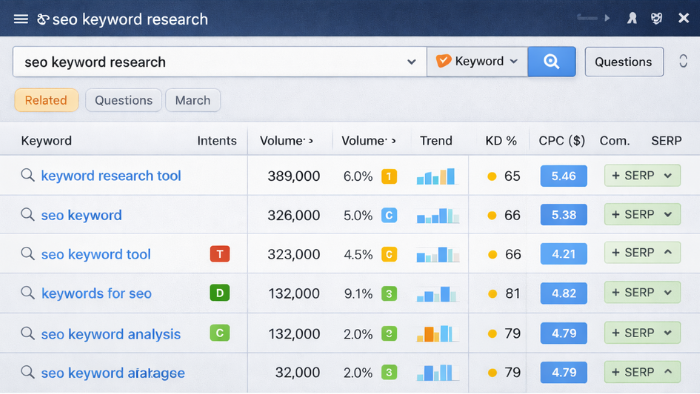
Importance of Keyword Research
Keyword research is the heartbeat of any SEO campaign. Without a targeted keyword research plan, your content may attract traffic but not the right traffic. The goal is to identify keywords that align with your audience’s intent, your business goals, and your competitive landscape. This involves more than scanning for high-volume terms; it requires analyzing search intent, competitor gaps, local modifiers, and long-tail opportunities that support your funnel.
By starting with keyword clusters that help shape your content structure, you lay the groundwork for search engine ranking improvement and ensure your website grows in a clear, strategic direction.
Setting Long-Term SEO Goals
Before diving into month-by-month actions, it’s crucial to establish what you want your SEO strategy to achieve. These long-term SEO goals might include increasing organic traffic, improving ranking positions for high-value keywords, expanding local search visibility, or strengthening your backlink profile.
Setting realistic and measurable goals gives your team clarity and direction. It also allows you to track progress through structured milestones, which is essential when evaluating the effectiveness of your year-long approach.
Now let's break down the full seo 12-month plan of action into four strategic phases.
Phase 1: Audit and Strategy (Months 1–3)
The first quarter is all about understanding where your website currently stands. That begins with a thorough SEO audit process, analyzing technical health, on-page optimization, content structure, indexing, page speed, Core Web Vitals, and backlink quality. This comprehensive review highlights both strengths and weaknesses, giving you a clear picture of what needs to be improved.
A key part of this phase is conducting a solid competitive analysis strategy. Studying your competitors’ rankings, content depth, backlink profiles, and overall website structure reveals the tactics they’re using to succeed and exposes opportunities for your brand to outperform them.
Once you know where you stand and what your competitors are doing, you can begin developing a robust keyword research plan. By grouping keywords into clusters that match search intent and customer demand, you lay the foundation for all future content and optimization efforts.
Phase 2: Implementation (Months 4–6)
With a strategic foundation in place, the next phase focuses on building and publishing content that aligns with your business goals. This is where content marketing integration becomes essential. Rather than producing random topics, your content should follow the clusters defined earlier, creating pillar pages supported by blog articles, guides, FAQs, and product/service optimizations. This not only boosts topical authority but also improves internal linking and user experience.
As content gets published, your link-building strategy becomes the force that drives authority and credibility. High-quality backlinks earned from guest posting, digital PR, industry partnerships, or resource placements significantly improve your ranking potential. Avoid spammy or low-quality links; long-term SEO requires sustainable link-building efforts.
During this time, you should also prioritize user experience enhancements. Improving navigation, page design, mobile usability, and CTAs increases engagement and supports your broader conversion rate optimization objectives. Even the best rankings fall flat if users land on a poor experience.
Phase 3: Optimization (Months 7–9)
By mid-year, your site should have stronger content coverage and growing authority. Now it’s time to shift your focus toward refinement. A well-structured website optimization plan helps you revisit existing pages and improve their performance. This may include updating outdated content, improving internal links, enhancing schema markup, and fixing technical issues that affect crawlability.
For businesses serving specific cities or regions, this phase is also where you reinforce your local SEO plan. Optimizing your Google Business Profile, earning reviews, creating local landing pages, and building local citations significantly increase your visibility for “near me” searches and geo-targeted queries.
Beyond local SEO, this is the perfect stage to strengthen your off-page SEO tactics. Brand mentions, reviews, partnerships, and social signals all contribute to stronger authority and trust—key factors that help you stand out in competitive search results.
Phase 4: Tracking and Reporting (Months 10–12)
As the year draws to a close, your focus shifts to evaluating performance and preparing for the next growth cycle. Effective SEO performance tracking means monitoring keyword rankings, organic sessions, conversion rates, engagement metrics, backlink growth, and page-level performance. These insights allow you to understand which strategies delivered the most impact.
Your analytics and reporting should answer key questions:
- Which content drives the most conversions?
- What improvements had the biggest effect on rankings?
- Where are users dropping off?
- Which pages have untapped SEO potential?
These insights are crucial when adjusting your 12 month SEO plan for the next year. SEO is a living strategy based on industry trends, algorithm updates, and new business priorities, your roadmap must evolve to stay effective.
Ready to Put Your 12 Month SEO Plan Into Action?
A year-long SEO strategy creates the momentum your business needs to grow consistently, improve visibility, and dominate your market. If you're ready to take the next step, let’s build a plan tailored to your goals. Contact us today for a custom SEO strategy built for long-term success.